
Safety is a top priority for homeowners when designing outdoor spaces. Whether it’s a poolside area, patio, driveway, or pathway, slippery surfaces can lead to accidents, particularly in wet conditions. Selecting slip-resistant pavers is an effective way to create functional, stylish, and secure outdoor environments. For Perth and Australian homeowners, understanding the factors that influence slip resistance, the types of pavers available, and the best installation practices is essential for long-lasting safety and comfort.
Why Slip-Resistance Matters
Outdoor areas are exposed to a variety of weather conditions, from rain and humidity to pool water splashes or morning dew. Smooth or polished surfaces may look appealing, but they can become dangerously slick when wet. Slip-resistant pavers reduce the risk of falls and injuries, providing peace of mind for families, pets, and guests.
Slip-resistant surfaces are particularly important in high-traffic areas, such as pathways, pool surrounds, and outdoor dining zones. Investing in the right pavers not only improves safety but also adds value to your property, as functional and secure outdoor spaces are highly sought after by potential buyers.
Understanding Slip-Resistance Ratings
When choosing pavers, it’s important to consider slip-resistance ratings, which indicate how well a surface performs under wet or dry conditions. The two main systems used in Australia are:
Read More: Unseen but Critical: How GPR Scanning Prevents Costly Construction Surprises
- R-Rating (Ramp Test): Measures slip resistance on an inclined ramp with wet and dry conditions. Ratings range from R9 (low slip resistance) to R13 (very high slip resistance). For residential outdoor areas, R10 or R11 is typically recommended.
- Pendulum Test (P-Scale): Measures dynamic coefficient of friction using a swinging pendulum. Higher P-values indicate better slip resistance. The Pendulum Test is often used for pool surrounds and areas with frequent water exposure.
Understanding these ratings helps homeowners select pavers that meet safety requirements for their specific application, whether it’s a patio, poolside, or commercial outdoor area.
Factors Affecting Slip Resistance
Several factors influence how slip-resistant a paver is:
1. Material Choice
Different paver materials have inherent slip characteristics:
- Concrete: Popular and durable, concrete pavers can be finished with textured surfaces to improve grip.
- Natural Stone: Sandstone, travertine pavers perth, and limestone provide excellent slip resistance when honed or textured. Some polished stones, however, may become slippery when wet.
- Porcelain: Engineered porcelain pavers can be designed with anti-slip textures, making them ideal for pool areas and alfresco zones.
- Brick: Clay bricks offer moderate slip resistance and are particularly suitable for driveways and pathways.
Material selection should balance aesthetics, functionality, and safety, ensuring that the surface performs well under the expected conditions.
2. Surface Texture and Finish
The texture of a paver’s surface plays a critical role in slip resistance:
- Textured or Sandblasted: Provides more friction and reduces the risk of slipping.
- Bush-Hammered: Creates a rough surface ideal for wet areas, such as around pools.
- Grooved or Patterned: Adds both aesthetic appeal and enhanced grip.
- Polished or Smooth: Can be slippery when wet, so often avoided in high-traffic or water-exposed areas.
Choosing a surface finish appropriate to the intended use ensures both safety and visual appeal.
3. Colour Considerations
While colour doesn’t directly affect slip resistance, lighter shades tend to show water more clearly, signalling damp areas to pedestrians. Darker pavers may absorb heat and dry faster but can appear more slippery when wet. Balancing colour and functionality can enhance both safety and style.
4. Installation and Maintenance
Proper installation is vital for maintaining slip resistance. Pavers should be laid evenly with adequate spacing for drainage to prevent water pooling. Regular cleaning prevents algae, moss, or debris buildup, which can make even textured surfaces slippery. Sealers can protect pavers but may reduce friction if glossy; choosing the right product is important.
Recommended Areas for Slip-Resistant Pavers
Slip-resistant pavers are essential in several key areas of a property:
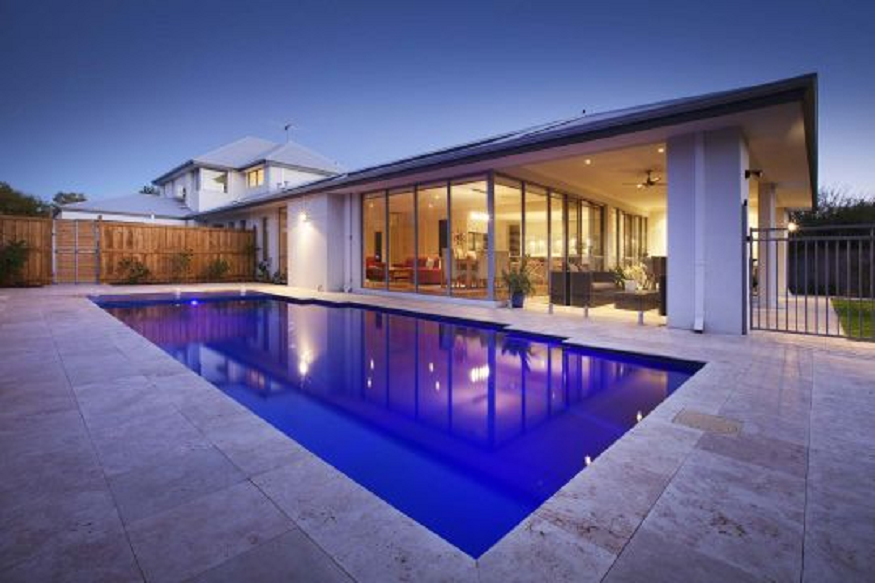
- Pool Surrounds: Constant water exposure makes non-slip surfaces crucial to prevent accidents.
- Pathways and Walkways: Areas used daily benefit from textured surfaces that remain safe in wet weather.
- Driveways: Although usually dry, driveways can become slippery during rain; anti-slip finishes improve traction.
- Alfresco and Entertainment Areas: Outdoor dining zones often experience spills; textured or patterned pavers reduce risk.
By prioritising slip resistance in these zones, homeowners can create safe, practical, and attractive outdoor spaces.
Popular Slip-Resistant Paver Options in Australia
Several paver options are particularly suited for Australian climates and outdoor lifestyles:
- Sandstone: Light-coloured sandstone with a honed or textured finish offers natural slip resistance and a classic look.
- Travertine: Remains cool underfoot and provides excellent grip, making it ideal for pool areas.
- Concrete Pavers: Available in textured, patterned, or exposed aggregate finishes that enhance traction.
- Porcelain: Modern porcelain pavers with anti-slip surfaces are increasingly popular for contemporary designs.
- Cobbled or Patterned Bricks: Suitable for paths and driveways, providing both grip and aesthetic appeal.
Selecting the right material involves considering location, water exposure, and maintenance requirements to achieve maximum safety.
Additional Safety Tips
Beyond selecting slip-resistant pavers, homeowners can implement complementary measures to improve safety:
- Shade and Drainage: Prevent water pooling by installing drainage systems and providing shaded areas to reduce heat and slipperiness.
- Regular Cleaning: Remove leaves, algae, and moss to maintain friction and prevent hazards.
- Non-Slip Treatments: Certain pavers can be treated with non-slip coatings to enhance performance, particularly in commercial or high-traffic settings.
- Clear Signage and Lighting: Highlight potentially slippery areas, especially in low-light conditions, to reduce accidents.
By combining quality pavers with proper installation and maintenance, outdoor areas remain safe and enjoyable year-round.
Conclusion
Slip-resistant pavers are a vital consideration for creating safe, functional, and attractive outdoor spaces. Understanding the role of material, texture, finish, colour, and installation can help Perth and Australian homeowners make informed choices that enhance both safety and aesthetics.
Read More: maximising-small-backyards-plunge-pool-design-ideas-for-gold-coast-homes/
Whether for pool surrounds, alfresco dining, pathways, or driveways, selecting pavers with appropriate slip-resistance ratings ensures a secure environment for family, friends, and guests. Regular maintenance and attention to water drainage and surface care further improve performance, reducing the risk of accidents and improving longevity.
Investing in slip-resistant pavers is more than a practical decision—it’s a commitment to safety, comfort, and long-lasting outdoor enjoyment. With the right selection and installation, homeowners can confidently create spaces that are both visually appealing and secure, even in wet or high-traffic conditions.