
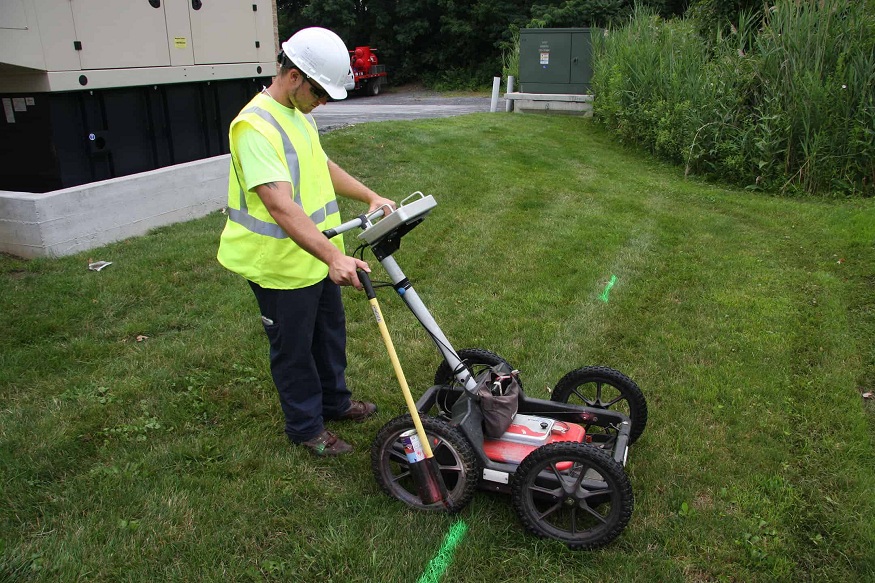

In the fast-paced world of construction, unexpected obstacles beneath the surface can turn a straightforward project into a costly headache. Buried utilities, voids, and structural anomalies are often invisible to the naked eye but can cause delays, safety issues, and significant financial losses. This is where Ground Penetrating Radar (GPR) scanning has become an indispensable tool for modern construction projects. By providing a clear view of what lies beneath, GPR helps builders, engineers, and project managers plan effectively and avoid costly surprises. In this guide, we explore how GPR scanning works, its applications, and why it is critical for successful construction projects.
What Is GPR Scanning?
Ground Penetrating Radar (GPR) is a non-destructive, geophysical method used to detect and map objects, voids, and changes in material beneath the surface. Using high-frequency radio waves, GPR sends signals into the ground, which reflect back when they encounter different materials or structures. These reflections are captured and interpreted to produce a detailed image of what lies beneath.
Unlike traditional excavation or exploratory methods, GPR scanning is quick, safe, and minimises disruption to the site. It can detect a variety of hidden objects, from metallic pipes and electrical conduits to voids, rebar, and even changes in soil composition.
Read More: Things to Consider When Purchasing a Plastic Water Tap
Why GPR Is Essential in Construction
Construction projects face numerous challenges when working with underground infrastructure. Without accurate information, crews risk damaging utilities, encountering unstable ground, or violating safety regulations. Here’s why GPR is essential:
- Avoiding utility strikes: Accidental damage to water, gas, or electrical lines can cause project delays, hefty repair costs, and even safety hazards.
- Identifying voids or sinkholes: Hidden cavities beneath the surface can compromise foundations and lead to structural failure if undetected.
- Locating rebar and post-tension cables: Knowing the position of reinforcements before drilling or cutting prevents structural damage and safety incidents.
- Regulatory compliance: Many jurisdictions require safe detection of underground utilities before excavation. GPR provides documented evidence of site conditions.
By detecting potential hazards early, GPR scanning allows construction teams to plan their work efficiently, mitigate risks, and protect both personnel and budgets.
Applications of GPR in Construction
GPR scanning is highly versatile and has applications across various stages of construction:
1. Pre-Construction Site Surveys
Before breaking ground, GPR scanning can provide a complete picture of underground conditions. This helps in designing foundations, planning utility connections, and avoiding unforeseen obstacles. Early detection reduces redesign costs and ensures that construction can proceed without unexpected interruptions.
2. Concrete Inspection
GPR is commonly used to inspect existing concrete structures. It can locate embedded steel, post-tension cables, conduits, and voids without damaging the structure. This is particularly useful for:
- Renovation projects
- Drilling or coring operations
- Structural assessments
By identifying hazards within concrete slabs, builders can prevent accidents and preserve structural integrity.
Read More: What Are the Most Popular John Deere Excavator Models?
3. Utility Mapping
Urban construction often requires navigating complex networks of water, gas, sewer, and electrical lines. GPR allows crews to map these utilities accurately, avoiding costly strikes or service disruptions. This is critical not only for new builds but also for repairs, maintenance, and upgrades to existing infrastructure.
4. Archaeological and Environmental Assessments
GPR scanning can detect anomalies and buried objects without excavation, making it useful for heritage sites, environmental studies, or areas with potential contamination. This ensures compliance with environmental and heritage regulations while protecting sensitive areas.
Benefits of GPR for Construction Projects
Incorporating GPR scanning into construction projects offers a range of tangible benefits:
- Cost savings: Detecting underground hazards early prevents expensive repairs and project delays.
- Enhanced safety: GPR reduces the risk of accidents caused by striking hidden utilities or unstable ground.
- Time efficiency: Scanning is quick and non-intrusive, allowing work to continue without major interruptions.
- Accurate planning: Provides precise data for engineers and designers to make informed decisions.
- Documentation: Generates visual records of subsurface conditions, which can be used for compliance and future reference.
These advantages make GPR an invaluable investment, particularly for large-scale or complex construction projects.
Limitations and Considerations
While GPR is a powerful tool, it’s important to understand its limitations:
- Material interference: Some materials, such as highly conductive soils or reinforced concrete, may reduce scanning depth or signal clarity.
- Operator expertise: Accurate interpretation of GPR data requires skilled operators. Misreading the results can lead to incomplete or misleading information.
- Depth limitations: GPR has a maximum penetration depth, which varies depending on soil type and equipment. Extremely deep utilities or features may not be fully detectable.
Choosing a reputable GPR service provider ensures that scans are conducted accurately and interpreted effectively, maximising the value of the technology.
Best Practices for Using GPR in Construction
To make the most of GPR scanning, construction teams should follow best practices:
- Plan ahead: Schedule scans early in the project to inform design and excavation planning.
- Hire qualified operators: Use experienced professionals who can interpret complex data accurately.
- Combine with other methods: In some cases, combining GPR with electromagnetic locators or boreholes can improve accuracy.
- Document results: Maintain detailed records for project management, compliance, and future reference.
- Integrate with safety protocols: Use scan results to update site safety plans and inform all personnel about potential hazards.
Following these steps ensures that GPR scanning delivers maximum benefit and minimises construction risks.
Final Thoughts
GPR scanning has revolutionised the construction industry by providing a clear view of what lies beneath the surface. By identifying hidden utilities, voids, and structural features, it helps prevent costly mistakes, improve safety, and streamline project planning. From pre-construction surveys to concrete inspection and utility mapping, GPR is an essential tool for modern builders and engineers.
Investing in GPR scanning may seem like an additional cost, but it pays for itself by reducing delays, avoiding damage, and protecting your workforce. In an industry where surprises can be expensive and dangerous, knowing what’s underground is not just advantageous—it’s critical. With the right technology and expertise, construction teams can confidently move forward, ensuring projects are completed on time, on budget, and with maximum safety.