
Maximizing Restaurant Revenue Per Square Foot Through Strategic Space Planning
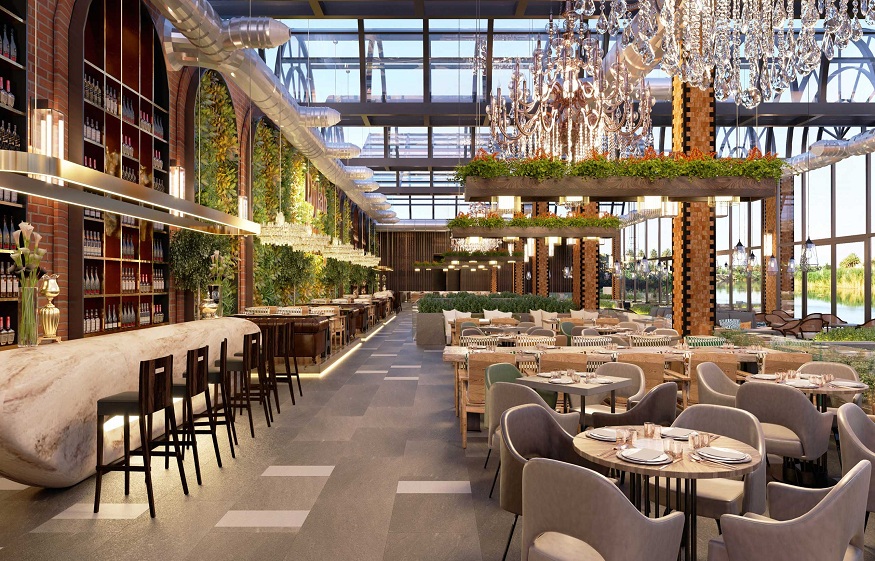
There is a corner table in most restaurants that nobody wants. It faces the wall, sits slightly too close to the service station, and catches the draft every time the kitchen door swings open. It gets offered to walk-ins who have no leverage to request otherwise. They sit there, feel slightly less valued than the people at the window table, and resolve not to repeat the experience.
That table is a revenue leak. And it is not alone.
1. Table Placement Is a Revenue Decision, Not a Spatial One
Most restaurant floors are arranged based on how furniture fits rather than how guests experience it. The outcome is rooms where some seats are excellent, and some are places people ask to move from before they have ordered drinks.
A hospitality space designer approaches this differently. Sight lines are mapped. High-traffic routes are identified, and tables moved away from them. The acoustic relationship between neighbouring tables gets considered, because guests who feel like they are participating in three conversations simultaneously do not come back. Getting placement right increases utilization because fewer guests decline seating or leave with ambivalent feelings.
Read More: Eco-Friendly Home Decor: Stylish Ideas That Support Sustainable Living
2. Dead Zones Are Just Revenue That Has Not Been Designed Yet
The stretch near the bathrooms. The entrance area that neither welcomes nor transitions. The awkward column that created two unusable half-spaces instead of one functional one.
These areas exist in almost every restaurant. They are not structural inevitabilities. They are design problems with design solutions. A bar counter that uses the column as a feature rather than fighting it. A waiting area that serves drinks rather than just bodies. A transitional space at the entry that makes the first thirty seconds feel considered rather than accidental. Dead zones converted to productive ones improve revenue without adding a single seat.
3. The Bar Is Being Underused Almost Everywhere
In restaurants that do not fully understand what a bar does, it functions as a place to stand while waiting for a table. That is not what a bar is. A well-designed bar with the right stool height, good lighting, and a menu that stands independently is a second dining experience inside the same building.
Guests who cannot get a table will sit at a bar that feels like a destination. They will order. They will return specifically for the bar. A hospitality space designer who treats the bar as a revenue centre rather than a lobby feature unlocks occupancy that the dining floor alone cannot provide.
4. Flexibility Earns Money That Fixed Layouts Leave Sitting There
A restaurant that fits forty at dinner and reconfigures for sixty at a private event has two income streams from one room. A restaurant with fixed banquettes bolted to the floor has committed to one configuration regardless of what any given Thursday requires.
Modular furniture costs more initially. The return comes from every event booking that a fixed layout would have turned away, every lunch setup that the dinner configuration made slower, every opportunity the room could not take because nobody designed it to.
Read More: 10+ Elegant Yet Inviting Formal Living Room Ideas
5. Uncomfortable Seats Are the Most Expensive Mistake on the Floor
Guests in uncomfortable chairs do not say anything. They just leave earlier. They order slightly less. They come back slightly less often. Nobody ever reviews a restaurant and writes ‘the seating was mediocre.’ They just give four stars instead of five and cannot quite say why.
Seating comfort has a direct relationship with how long covers last and what gets ordered during that time. A hospitality space designer who treats seating as an aesthetic decision is missing the revenue argument entirely. Comfort is not a nice-to-have. It is money.
Take Away
Every square foot of a restaurant is either earning or it is not. The corner table nobody wants, the dead zone near the bathrooms, the bar that functions as a waiting room, the fixed layout that cannot adapt to a Thursday evening private booking. These are not inconveniences. They are revenue decisions that were made by default rather than by design.