
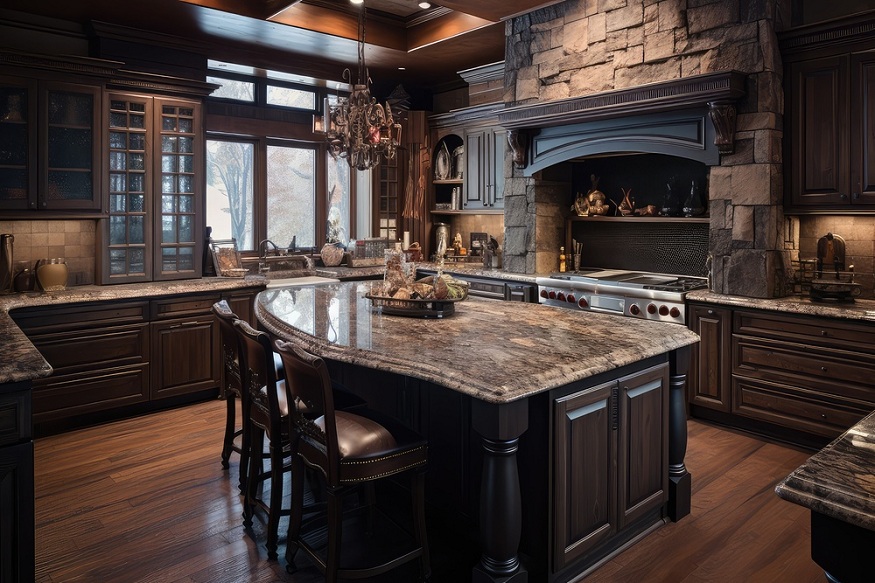

Renovators have become very picky. They walk into showrooms with spreadsheets on their phones and samples in their pockets. They want materials that could survive a tornado but look like they belong in a magazine. Somehow, they’re actually finding them.
The New Standard for Materials
People renovating homes act like detectives now. They hunt down reviews from strangers on the internet. They email manufacturers with weird questions about chemical compositions. Some folks spend three weeks researching grout.
Renovations cost what cars used to. Nobody wants to rip out a bathroom twice because the first tile choice couldn’t handle actual bathroom conditions. So renovators get obsessive. They want floors that shrug off dog claws and spilled coffee. For countertops, they’re turning to suppliers like Bedrock Quartz, who understand that surfaces need to handle hot pans and homework sessions without breaking a sweat. Paint better handles sticky fingerprints and amateur art projects.
The funny part? This pickiness has made homes look better, not worse. It turns out materials that last look good doing it. That beaten-up leather chair gets more handsome with age. Those scratches on the wood floor add character. Even stone that chips and stains somehow looks better for it.
Read More: Durability Meets Design: What Today’s Renovators Are Looking For
Technology Changes the Game
Labs somewhere keep churning out materials that sound fake but work brilliantly. Porcelain sheets thinner than pizza dough that you could park a truck on. Carpets that genuinely refuse to stain; not that “stain-resistant” nonsense that fails at the first splash of grape juice, but actual sorcery-level protection.
New flooring exists that looks exactly like hundred-year-old barn wood. It feels like it too. But it’s actually waterproof plastic that could likely survive a nuclear winter. Five years later, with kids and dogs running wild, these floors still look perfect. Meanwhile, real hardwood in the same conditions looks like a disaster zone.
These space-age materials let renovators have their cake and eat it too . Do you want marble but hate maintenance? Done. Love the look of brass but know it tarnishes? There’s a coating for that. Outdoor cushions that stay bright after three summers? Chemistry figured it out.
The Long-Term Thinking Shift
Math has entered the renovation chat, and it’s changing everything. People pull out calculators and start dividing total cost by expected years of use. Suddenly, that expensive German faucet seems reasonable when the cheap one needs replacing every eighteen months.
Read More: Unseen but Critical: How GPR Scanning Prevents Costly Construction Surprises
Renovators also think about future scenarios now. Will this kitchen layout still work when the kids are teenagers? Can this bathroom handle aging knees? They design for life changes they haven’t experienced yet. Bold move, but it beats renovating the same space repeatedly. The planet gets consideration too. Guilt about throwing away perfectly functional stuff has made durability almost a moral issue. Renovators value durable items, avoiding landfill waste and embracing quality.
Finding the Sweet Spot
Sometimes renovators nail it. They find that perfect thing that’s both bomb-proof and beautiful. A concrete sink that looks like sculpture. Windows that never need painting but make the house look expensive. Hardware that resembles jewelry but remains untarnished and unbroken. These victories are not by chance. Renovators develop a sixth sense for quality. They learn to spot the difference between trendy and timeless, between cheap and value. They know which shortcuts end in tears and which splurges pay off.
Conclusion
Modern renovators being impossible to please is a wonderful thing. Everyone has been forced to step up because they refuse to compromise. Manufacturers can’t coast on looks alone. Designers can’t ignore practical concerns. The result? Homes that actually work while looking incredible. Turns out you can have both; you just need to be really, really picky about it.