
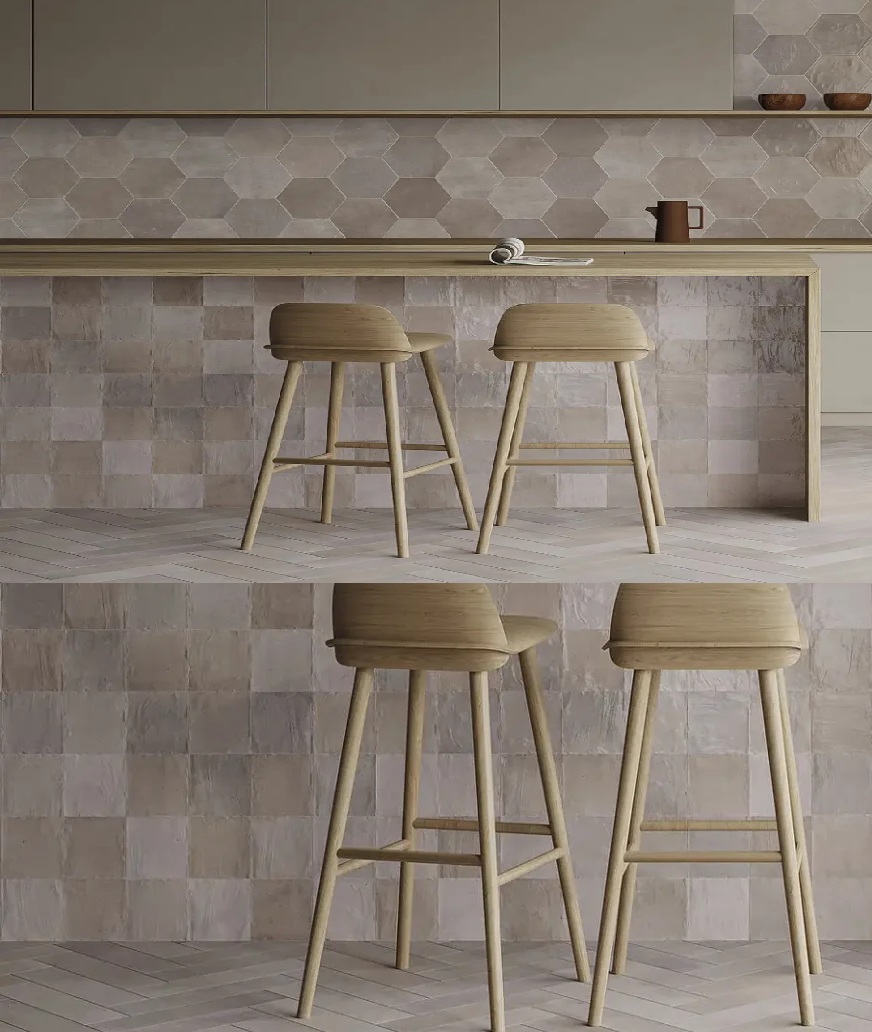

With Moroccan-inspired tiles, it’s easy to add character to your space. It is possible to do so without overcrowding the decor. Their patterns don’t just repeat. Their colors are vibrant, too. This means they can create an effective design feature on ordinary wall or floor surfaces.
The style is inspired by Moroccan zellij, which comprises cut tile work through pyramidal designs. One source for tiles can be found at Riad Tile, and you don’t necessarily have to copy these exact designs of historic surfaces. Here are Moroccan-inspired tile patterns for unique home designs:
1. Start With a Pattern That Fits the Room
The best thing to take into consideration with Moroccan patterns is picking a pattern suitable to the room. When working in a small bathroom, don’t hesitate to use geometric patterns. You can also use bigger geometries to provide a more serene impression in an open kitchen.
Read More: How to Design a Houston Home for Big Family Gatherings
These include star shapes, interlocking polygons, diamonds, and repeating lines. The patterns do this as if the form of each shape reconnects and repeats across a surface. A wall may be used only as a surface. But its simple forms make it feel like it was carefully designed.
2. Bring the Pattern into Unexpected Areas
Tiles don’t have to be used to fill an entire room to make a statement. A dedicated application can showcase a small architectural element. Not to mention, it can imbue a home with a personal touch.
Avoid using designs inspired by Moroccan fabric for:
- An open shelf featuring a kitchen backsplash behind it.
- Using a strip around a bathroom or vanity mirror.
- A fireplace surround that’s in need of a decorative centerpiece.
- A welcoming entry area foyer floor with pattern.
3. Pair Traditional Geometry with Modern Materials
Creating a design inspired by Morocco doesn’t mean the interior must be completely traditional. It can be used to create a more modern look with a clean cabinet look.
This contrast can also make the tile seem new. Not to mention, it can keep the overall look the same. That is true, particularly if other finishes are kept to a minimum. In a kitchen with flat-front cabinets and an uncluttered work surface, for instance, a detailed backsplash can be the big design focal point.
4. Think Beyond Floors and Backsplashes
Useful areas for patterned tile include stairs, niches, showers, and small alcoves. Going out of the box can make the design more personal than it is a formula for decorating.
Make note of the pattern of light before installation, during the day. Shiny surfaces can brighten color, while the rougher, less reflective surfaces go for a more subdued look.
The bottom line is that Moroccan-inspired tile patterns are an easy-to-implement alternative to making a house more interesting. With the right patterns and color relations, a special and unique appeal can be achieved without overfilling the space. The main goal to consider is not to overpower the space with the tile design, but to enhance it in some ways.