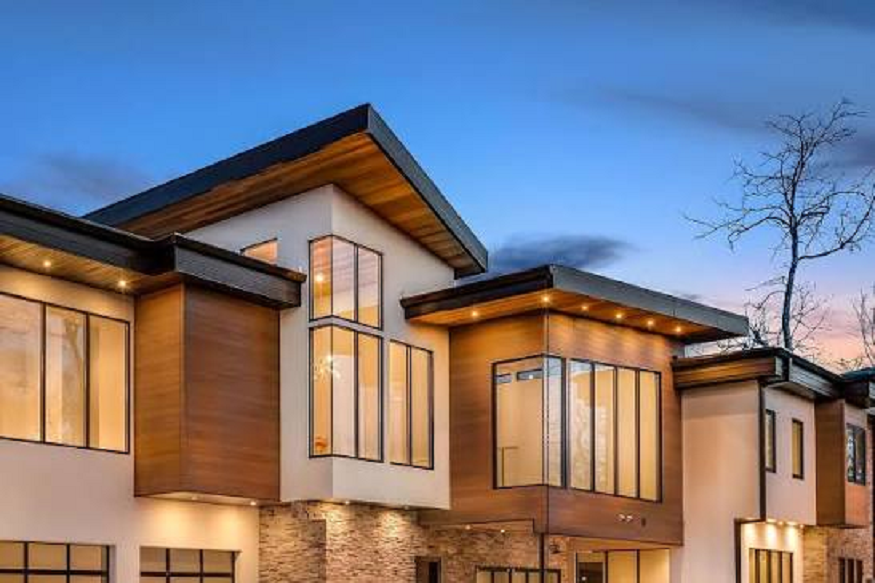

Fiber Cement Siding and Fire Resistant Siding – Nichiha is an engineered exterior cladding designed to withstand extreme weather, moisture intrusion, pest damage, and fire hazards without degrading over time. Unlike traditional wood or basic vinyl siding that cracks, rots, or warps under environmental stress, resistant siding utilizes advanced material compositions to protect your home’s structural integrity. Investing in high-durability exterior cladding eliminates constant maintenance costs, preserves your property’s market value, and significantly lowers long-term repair expenses. Choosing the right material ensures your home remains safe, energy-efficient, and visually appealing for decades.
Core Characteristics of Weather and Hazard-Resistant Siding
True resistant siding combines structural density with specialized surface coatings to shield your home from severe environmental threats. Moisture resistance is the foundational benchmark of high-performance cladding, preventing water penetration that leads to hidden wood rot, mold growth, and compromised wall insulation. Engineered siding materials incorporate non-porous sealants and advanced binding agents that repel heavy rain and ice accumulation.
Impact and fire resistance represent two additional defensive pillars that set premium cladding apart from standard exterior options. Materials engineered to resist high winds and flying debris prevent punctures during severe storms. Non-combustible or fire-retardant siding options provide a protective barrier against wind-blown embers and localized heat sources, giving homeowners vital peace of mind in fire-prone regions.
Read More: Urban Residential Architecture Shaped by Efficiency, Comfort, and Sustainability
Top High-Durability Siding Materials Compared
Understanding the specific engineering advantages of different siding materials helps you select the best defense system for your local climate.
Fiber cement siding combines cellulose fibers, sand, and cement to create an exceptionally durable, fire-resistant exterior. It mimics the natural look of painted wood grain while resisting rot, swelling, and termite damage. Fiber cement holds paint significantly longer than traditional wood, drastically reducing repainting frequency and long-term exterior maintenance costs.
Engineered wood siding utilizes real wood fibers treated with specialized waxes, zinc borate, and resin binders to deliver superior impact resistance. This process preserves the warm, authentic aesthetic of natural timber while rendering the material immune to fungal decay and wood-boring insects. Metal siding, typically crafted from heavy-gauge aluminum or steel, offers unmatched longevity, Class A fire ratings, and complete resistance to pest infestation.
Essential Considerations Before Exterior Installation
Selecting the optimal resistant siding requires evaluating your geographical climate, local building codes, and architectural style requirements. Working with certified, factory-trained installers ensures that weather barriers, flashing details, and ventilation gaps are executed according to strict manufacturer specifications. Improper installation compromises even the most advanced siding material, leading to trapped moisture and voided manufacturer warranties.
Pairing high-performance siding with proper house wrap and rain-screen systems creates a comprehensive protective envelope around your living space. Taking time to research material warranties, fire performance scores, and wind-load ratings ensures your selection meets your neighborhood’s specific environmental challenges.
Securing Your Home with Long-Lasting Exterior Protection
Upgrading to resistant siding is one of the most effective investments you can make to protect your property’s value and structural health. Eliminating vulnerabilities like wood rot, pest damage, and fire hazards safeguards your family while eliminating the endless cycle of exterior maintenance. Modern engineered siding materials deliver the perfect combination of rugged durability, energy efficiency, and refined architectural aesthetics.
Read More: Durability Meets Design: What Today’s Renovators Are Looking For
Choosing a certified, high-grade siding material tailored to your local environment protects your home against unpredictable weather conditions for decades. Investing in quality craftsmanship and advanced materials today secures your housing investment and delivers lasting peace of mind.