
4 SIGNS YOUR TREE NEEDS PRUNING THIS YEAR
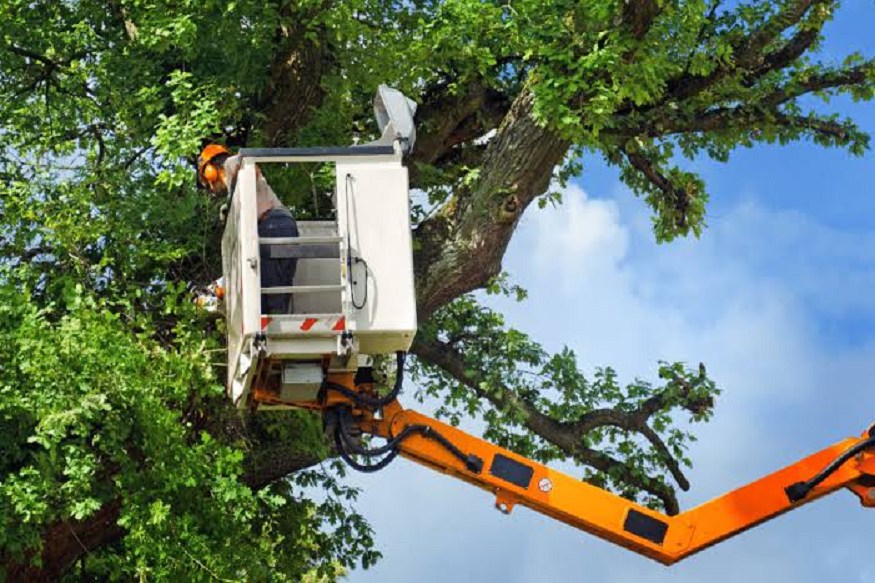
Trees in Denver face extreme weather conditions that can cause more stress. Think of:
The heavy snows during winter.
High winds during spring.
Intense heat during summer.
These conditions place heavy weight on branches. They test the structural integrity of even established trees. All of these seasonal stresses add up. They manifest in ways that you should take note of.
Here are the best indications that a tree on your property needs pruning before the damage is too great to handle.
Trails of dead or dying branches can be seen in the canopy
You know a tree is in trouble when it has dead branches. Easy to recognize:
- No spring and summer growth
- Dry and brittle
- Readily snapping as opposed to bending under pressure.
One dead branch in an otherwise healthy tree is not necessarily cause for concern. But severalscattered throughout the tree may indicate a larger issue.
Pruning can help correct it before it becomes more serious. It also removes the danger of the branches falling at any time. This is very important in an area where people walk regularly or where any buildings are under the canopy.
Read More: Durability Meets Design: What Today’s Renovators Are Looking For
The canopy is visibly unbalanced
A well-developed tree has a relatively uniform canopy. It spreads its weight evenly.
However, you might notice that one side is heavier or denser than the other. This means that the tree’s structural integrity is compromised.Consequently, the risk of storm damage is significantly greater.
This is caused by:
- Uneven growth due to previous improper pruning
- Damage from a previous storm
- Natural competition for light in a dense yard.
In such a case, the tree needs corrective pruning from professional Denver tree services. This can help balance the tree over time. It will diminish the mechanical stress the uneven canopy causes on the trunk and root system.
Overlapping branches
You may notice that the branches are:
- Crossing
- Rubbing
- Growing inwardrather than outwards.
This creates friction points where bark is rubbed down. The result is entry points for disease and insects.
This internal crowding also:
- Limits movement of air in the canopy
- Contributes to higher moisture levels
- Increases the risk of fungal issues arising in the tree’s interior.
The solution is pruning out crossing branches and opening up the canopy. The tree will be structurally stronger and healthier.
The tree has grown too close to structures or power lines
Some trees grow with extended branches:
- Overrooflines
- Towards fences
- Close to power lines.
They should be addressed before actual proximity issues arise. In Denver, snowstorms can pile up on branches at night. So what happens to branches near a roof or power line? They can become a major hazard.
Read More: Urban Residential Architecture Shaped by Efficiency, Comfort, and Sustainability
You should have these branches pruned down to a safe clearing distance well in advance of the heavy weather season. It is better and safer than to manage the damage after contact.
In conclusion
The majority of trees provide obvious signs when they need to be pruned:
- Dead branches
- Uneven growth
- Crossing branches
- Hazardous proximity to buildings
- Excessive density.
All these are indicators that demand attention. Not constant observation. Early treatment of these symptoms helps to:
- Maintain the health of trees
- Lower the risk of storms
- Prolong the fruitful life of the trees
- Enhance the outdoor character of your property for decades.